The peptide research library. Start with a question.
Browse research by the exact material, study design and outcome. Compound profiles include their study-exposure context and product-specific document checks.
This library explains research on peptides, related compounds and biological targets. Each entry should identify what was studied, whether the evidence comes from people, animals or laboratory experiments, and what the results cannot establish. A molecule being discussed in a paper does not mean that it was administered as a treatment.
Start with three questions: What was the actual intervention? Who or what received it? What outcome was measured? For example, an experiment that gives fish oil to animals and then measures adiponectin is evidence about fish oil and a hormone measurement. It is not an adiponectin treatment protocol. Likewise, amyloid-beta added to cells outside the body is not an amyloid-beta treatment given to patients.
Human evidence is shown separately from preclinical findings. Early safety studies, uncontrolled symptom reports and randomized comparisons answer different questions. A laboratory marker, a self-reported experience and a clinical outcome should not be merged into a single success score. Published null or uncertain findings belong beside positive results.
Use the source links to inspect the material, formulation, study design and limitations. If a paper reports a regimen, read it as a study-specific method; this library does not turn experimental methods into a personal dosing or preparation guide. Approval and prescription information must identify the exact product, indication, country and date. An online listing or “research use only” label does not establish suitability for human use.
Browse by evidence question: compound identity; human intervention studies; animal and cell research; biological targets and biomarkers; safety and regulatory records. Research areas such as metabolism or tissue biology describe a topic being investigated, not a promised benefit.
Source scope: the linked study summaries describe the evidence reviewed for each entry, rather than claiming to include every publication. See FDA’s explanation of preclinical research and clinical research for the distinction between research stages.
Research articles discuss published evidence and do not establish the quality or clinical suitability of a product sold by Peptide Serum. For available product documents and the request process, use Lab Testing.
No matching profiles. Try another compound name or clear your search.
5-Amino-1MQ belongs in a small-molecule research category, despite appearing in many peptide catalogs. Interest centers on inhibiting nicotinamide N-methyltransferase, or NNMT. The selected evidence supports studying that target in metabolism and muscle repair; it does not establish a consumer weight-loss or anti-aging treatment.
Amyloid-beta, often abbreviated Aβ, is a family of protein fragments studied in Alzheimer disease biology. It can be a measured biomarker, an experimental reagent or a treatment target. Those roles do not make amyloid-beta itself a memory supplement or an established therapy.
ACE-031 is an engineered soluble activin type IIB receptor fusion protein studied for its effects on muscle. Human trials show why an increase in lean mass is not enough to establish a useful treatment: functional benefit and safety must also be demonstrated.
Adiponectin is a protein hormone associated with fat tissue and metabolic signaling. Many papers measure its concentration while testing another intervention. That makes adiponectin an outcome or biomarker in those studies, not the treatment being given.
Adipotide is an experimental peptidomimetic designed to target blood vessels in white adipose tissue. Animal studies reported weight and fat reductions, but the same research raises kidney-safety concerns. These findings do not establish a human obesity treatment or a safe self-use regimen.
This catalog entry uses the labels AHK and Tripeptide-3. The essential first question is which ingredient the listing actually identifies. The reviewed hair-follicle experiment tested the copper complex AHK-Cu; it should not be used as a clinical result for plain AHK.
AHK-Cu is a copper complex of the tripeptide alanine–histidine–lysine. Its best-matched source in the reviewed record is a laboratory study of isolated human hair follicles and dermal papilla cells. Human-derived tissue is useful, but it is not evidence that a cosmetic or injectable product regrows hair in patients.
AOD-9604 is a modified growth-hormone-derived peptide investigated in metabolic and cartilage research. Animal findings generated interest, but they do not establish human fat loss. FDA’s December 2024 assessment described a clinical obesity-development record that generally failed to show benefit over placebo.
ARA-290 is an experimental peptide designed from erythropoietin for tissue-protective signaling without its red-blood-cell-stimulating action. Early clinical studies investigated neuropathic symptoms in specific patient groups. Their results are more informative than generic nerve-healing claims, but remain limited by size, duration and endpoint selection.
Argireline is a synthetic hexapeptide studied in topical wrinkle formulations. The selected human studies give mixed results: one reported improved peri-orbital wrinkle measures, while a later small split-face study found no significant benefit from adding Argireline to the tested serum.
B7-33 is a synthetic peptide modeled on part of relaxin-2 and investigated for signaling through relaxin family peptide receptor 1. Selected animal and cell experiments report vascular and cardiac effects. They are a basis for further research, not proof of a human cardiovascular or antifibrotic treatment.
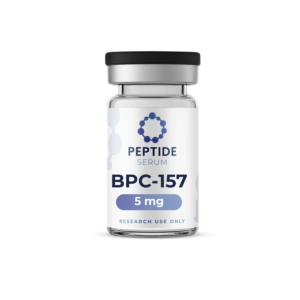
BPC-157 has been investigated in tissue-repair models and a limited human literature. Laboratory findings support further research, but they do not establish that a commercial preparation heals an injury, treats a gastrointestinal condition or is safe for routine use. The human reports ask different questions and should be examined separately.
Bronchogen appears in laboratory research on tissue cultures, cell differentiation and peptide–DNA interactions. The reviewed sources do not demonstrate improved breathing, fewer exacerbations or recovery from a respiratory illness in patients. The underlying identity also needs care because source abstracts do not consistently report the same amino-acid order.
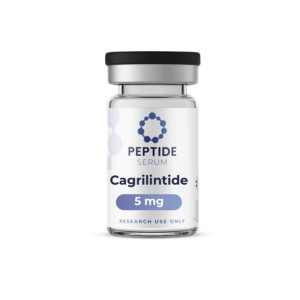
Cagrilintide is a long-acting amylin analogue investigated for weight management. Unlike many compounds in peptide catalogs, it has randomized human outcome data. Those data still require careful attribution: cagrilintide alone and its combination with semaglutide are different interventions.
Cardiogen is a named synthetic tetrapeptide studied in organotypic rat-heart cultures. These experiments examine tissue growth and molecular markers outside a living patient. They do not demonstrate treatment of heart failure, arrhythmia or a heart attack in people.
Cartalax is indexed by the US National Library of Medicine under alanyl–glutamyl–aspartic acid, also called AED or T-31. The directly identifiable primary studies reviewed here concern kidney cultures and rat kidney injury. They do not substantiate a claim that Cartalax rebuilds human cartilage.
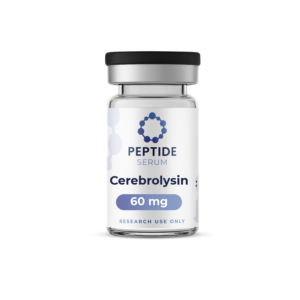
Cerebrolysin is a mixture of low-molecular-weight peptides and amino acids derived from porcine brain. Clinical research includes stroke rehabilitation, but results depend on the study and outcome. This evidence does not establish a general memory or focus enhancer for healthy people.
Chitosan is a polysaccharide derived from chitin, rather than a peptide. It appears both as an oral supplement and as a material used in drug-delivery research. Those roles should be separated before using a paper to support weight, liver or wound-related claims.
Chonluten is a named tripeptide investigated in laboratory models of inflammatory signaling. A directly relevant study used a human leukemia-derived cell line that can be differentiated into macrophage-like cells. It did not test a treatment in people with asthma, chronic obstructive pulmonary disease or another respiratory condition.
CJC-1295 was developed as a long-acting analogue of growth-hormone-releasing hormone. Early human studies demonstrated changes in growth hormone and IGF-1, not proven anti-aging, fat-loss or muscle-performance outcomes. Exact identity is essential because the CJC name is used inconsistently across product listings.
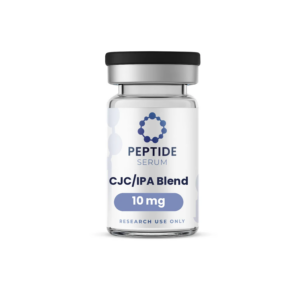
A CJC/ipamorelin blend combines substances investigated through different growth-hormone signaling pathways. A plausible combination mechanism is not a clinical trial of the blend. The first questions are which CJC-related molecule is present, what the individual amounts are, and whether the claimed outcome was actually measured for that combination.
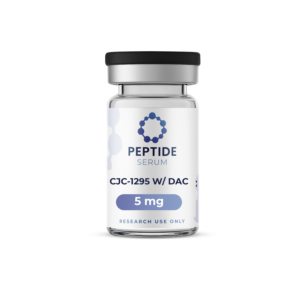
CJC-1295 with DAC refers to the albumin-binding, long-acting research construct associated with the original CJC-1295 studies. Its prolonged hormone effects are experimentally documented. They should not be confused with demonstrated clinical benefits or transferred to a product lacking that modification.
Collagen peptides are mixtures produced by breaking down collagen proteins. Selected oral formulations have randomized human studies in skin, joint discomfort and bone density. The results belong to those preparations and outcomes; they do not show that every collagen product repairs injured tissue or prevents fractures.
Cortagen is the synthetic tetrapeptide Ala–Glu–Asp–Pro. Its research includes mouse gene-expression and behavioral experiments. These findings do not establish improved memory, nerve repair or treatment of depression in people, and the similarly named Cortexin is a different mixture.
Decapeptide-12 is investigated as a topical pigmentation ingredient. A small controlled melasma pilot and later studies of multi-product skin-care systems provide preliminary human evidence. Their scale and formulation differences limit broad claims about every product containing the peptide.
Demoxytocin is a modified oxytocin analogue with uterine-contracting activity. It belongs in a discussion of specific hormone pharmacology and historical obstetric research, not a list of proven mood, bonding or anxiety supplements. Similarity to oxytocin does not make the two substances interchangeable in either a study or a product.
Dihexa is an experimental compound developed from angiotensin-IV-related research. Its best directly checked evidence here concerns laboratory synapse formation and memory tasks in rats. Those are useful drug-development observations, but they do not demonstrate improved memory, recovery from brain injury or treatment of dementia in people. The original development paper carries an indexed expression of concern, which further limits reliance on its reported findings.
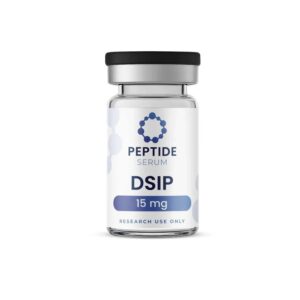
Delta sleep-inducing peptide, or DSIP, has been investigated for effects on sleep and other physiological responses. Small, older human studies are more relevant than the name alone: calling a substance “sleep-inducing” does not establish reliable insomnia treatment or a predictable nightly effect.
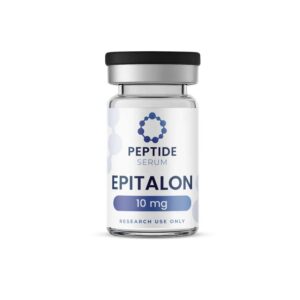
Epitalon is a tetrapeptide studied in cell biology and animal aging experiments. Telomere changes and selected mouse outcomes are research findings; they are not proof that Epitalon extends human lifespan or reverses biological aging. The distinction matters because an appealing mechanism can be marketed as a clinical result long before it is tested that way.
Follistatin is a protein involved in signaling by members of the TGF-beta family. “Follistatin 344” appears in experimental gene-transfer literature, but that does not mean an injectable product sold with the same number reproduces the intervention. The distinction between a gene construct, its processed protein and a short inhibitory fragment is central to evaluating muscle-growth claims.
FOXO4-DRI is an experimental peptide associated with research on disrupting the FOXO4–p53 interaction in senescent cells. The influential primary study tested cellular mechanisms and mouse outcomes. It provides a research rationale for targeting some senescent cells, not proof that a commercial preparation reverses aging in people.
Growth differentiation factor 11, or GDF-11, is a signaling protein investigated in development, blood biology and aging. Measuring its concentration in people is not the same as administering it. The selected human studies do not establish that raising GDF-11 improves health or reverses aging.
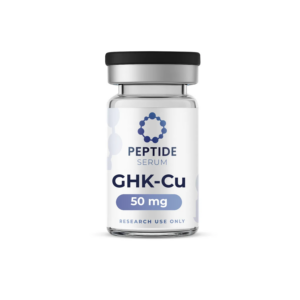
GHK-Cu is a copper complex of the tripeptide glycyl-histidyl-lysine. It is discussed in skin-care and tissue-repair research, but the route and formulation are essential to interpreting a claim. A skin product tested after a procedure is not evidence that injecting GHK-Cu improves skin, hair or whole-body repair.
Ghrelin is a hormone involved in appetite and growth-hormone signaling. Direct human experiments show that giving ghrelin can increase short-term food intake. That does not make it a proven long-term strategy for weight management, muscle gain or recovery from illness.
GHRP-2 is a synthetic growth-hormone secretagogue that acts in the ghrelin signaling system. Controlled human experiments demonstrate hormone and appetite responses. These responses are evidence of biological activity, but they are not the same as showing improved strength, recovery or body composition.
GHRP-6 is a synthetic peptide studied for its ability to stimulate growth-hormone secretion. A directly relevant human experiment compared hormone responses to GHRP-6, growth-hormone-releasing hormone and their combination. It did not test an anti-aging program, injury recovery or long-term muscle gain.
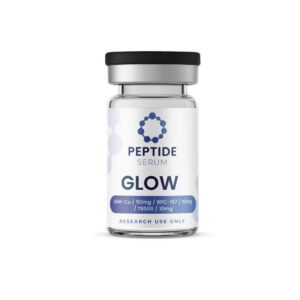
GLOW is a name used for combinations of peptides rather than one universally defined molecule. This guide concerns blends listing BPC-157, a thymosin-related ingredient and GHK-Cu. A useful assessment starts with the actual ingredient identities and amounts, because the label alone does not define a reproducible intervention.
GLP-1, or glucagon-like peptide-1, is a hormone name. It is also used informally to describe medicines that act at the GLP-1 receptor. Those uses should be separated: evidence for a named medicine and formulation is not evidence for a vial labeled only “GLP-1.”
Glutathione is a tripeptide involved in cellular redox biology. That biological role does not mean every supplement or infusion improves health. The important questions are what preparation was given, whether it changed a meaningful outcome, and whether that outcome was compared with a suitable control.
Gonadorelin is a preparation of gonadotropin-releasing hormone, or GnRH. Its clinical interpretation depends on the diagnosis and the pattern of administration. Evidence for a carefully selected fertility population using a pulsatile pump should not be turned into a general hormone-optimization promise.
Human chorionic gonadotropin, or hCG, is a hormone with established product-specific medical uses. It is not a generic recovery peptide or a validated weight-loss aid. An accurate overview separates a prescription medicine’s documented uses from claims attached to an unspecified laboratory product.
Hexarelin is a synthetic peptide studied for growth-hormone-releasing activity. A small human pharmacology study showed responses through several delivery routes. It did not establish that repeated use improves strength, heals injuries or prevents cardiovascular disease.
Human growth hormone is a protein hormone; somatropin is a recombinant medicinal form. Product-specific clinical uses should be distinguished from claims that raising hormone levels rejuvenates otherwise healthy adults. Body-composition changes alone do not establish longer life, greater independence or improved athletic function.
Human menopausal gonadotropin, or hMG, refers to menotropin preparations with follicle-stimulating and luteinizing hormone activity. This is a fertility-medicine topic. It must not be confused with HMB, a different compound discussed in dietary-supplement research.
Human relaxin-2 is a hormone studied through recombinant serelaxin preparations in cardiovascular and other disease settings. Early promising signals were not consistently confirmed in larger clinical trials. A balanced account should include that development history rather than present vascular mechanisms as proof of heart protection.
Humanin is a short peptide investigated for cellular protection in models relevant to neurodegeneration and other stresses. The selected original experiments are laboratory studies. They help identify biological questions, but do not establish that a Humanin product improves memory, treats dementia or slows aging in people.
Ibutamoren, also called MK-677, is an orally studied small-molecule growth-hormone secretagogue, not a peptide. Human trials show that it can raise growth hormone and IGF-1. They also show why a hormone increase should not be presented as proof of improved cognition, physical function or fat loss.
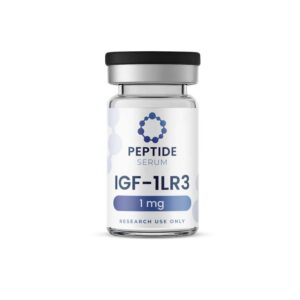
IGF-1 LR3 is a modified analogue of insulin-like growth factor 1, used in experimental research. Its structural changes alter interactions with binding proteins. That biochemical distinction does not establish that it safely builds muscle, repairs injuries or improves recovery in people.
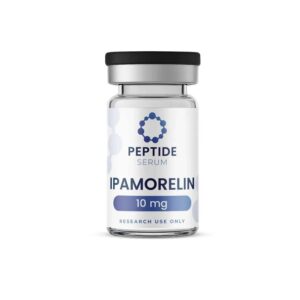
Ipamorelin is a synthetic peptide studied for growth-hormone release and gastrointestinal effects. Human research exists, but the outcome matters: a hormone response is not proof of muscle gain, and a postoperative trial did not demonstrate a significant improvement in its main efficacy comparisons.
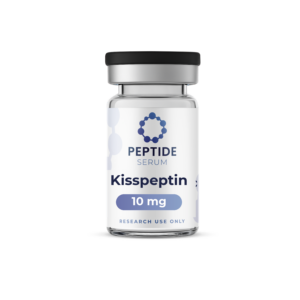
Kisspeptin refers to related peptides involved in reproductive hormone signaling. Human studies of kisspeptin-54 in assisted reproduction provide direct evidence for a specific clinical research question. They should not be generalized to every kisspeptin form or to an unspecified “hormone reset” product.
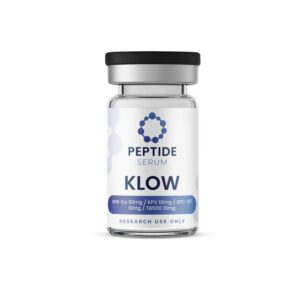
KLOW is a blend label rather than a single defined peptide. This guide concerns combinations listing KPV alongside BPC-157, a thymosin-related ingredient and GHK-Cu. The exact composition must be documented for each preparation; the name alone does not establish a standardized formula or clinical effect.
KPV is the three-amino-acid sequence Lys-Pro-Val, investigated in inflammation research. Primary studies show effects in cultured cells and mouse models of colitis. Those findings are a reason for further research, not proof that a KPV product treats inflammatory bowel disease or other human conditions.
L-carnitine participates in fatty-acid metabolism. Small oral nutrition studies and licensed deficiency treatments answer different questions from injectable fat-loss claims.
LL-37 is a human host-defense peptide investigated in wound healing. Topical clinical findings are mixed and cannot establish the benefits of systemic administration.
Afamelanotide, also called Melanotan I, is used in an approved implant for adults with erythropoietic protoporphyria. This does not approve online tanning preparations.
Melanotan II is a cyclic melanocortin-receptor agonist investigated for pigmentation and other effects. A very small human pilot does not establish a safe cosmetic tanning treatment.
Modified GRF 1-29 refers to altered growth-hormone-releasing-factor peptides. Evidence about unmodified GRF or other analogues cannot establish the effects of an unspecified vendor sequence.
MOTS-c is a 16-residue mitochondrial-derived peptide studied in metabolism and exercise biology. Mouse administration and human exercise observations answer different questions.
NAD+ is a metabolic coenzyme. Direct NAD infusion, precursor supplementation and cellular NAD measurements are different interventions and should not share one efficacy claim.
PE-22-28 is a shortened spadin-derived peptide studied for TREK-1 channel inhibition. Its key experiments concern cells and mouse behavior, not established depression treatment.
Pinealon is the Glu-Asp-Arg tripeptide, also called EDR. Published cell and rat studies explore stress responses and learning; they do not establish human cognitive rejuvenation.
Pramlintide is an amylin analogue used with mealtime insulin in selected patients with diabetes. Its established use is different from experimental appetite or weight-loss claims.
Prostatilen appears in studies of prostate-derived polypeptide preparations. Clinical reports concern particular formulations; they do not establish that an unspecified peptide vial has the same composition or effects.
Bremelanotide, also called PT-141, has an approved formulation for a defined desire disorder in premenopausal women. It is not approved as general sexual-performance enhancement.
Retinalamin is a polypeptide preparation studied in retinal disease. The human reports describe selected structural and functional measurements, not a demonstrated general restoration of vision.
Selank is a tuftsin-derived peptide with small human anxiety studies and preclinical mechanistic research. Those findings do not establish broad cognitive enhancement or comprehensive long-term safety.
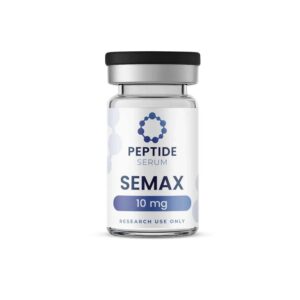
Semax is an ACTH-related synthetic peptide investigated in neurological settings. Human reports reviewed here concern stroke care and rehabilitation, not established enhancement of cognition in healthy people.
Sermorelin is GHRH 1-29 amide, investigated for pituitary growth-hormone release. Pediatric growth studies do not establish anti-aging, fat-loss or performance benefits in healthy adults.
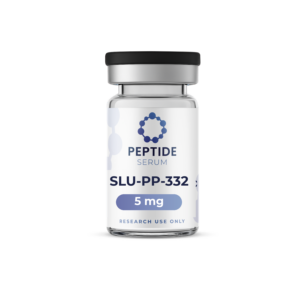
SLU-PP-332 is a synthetic small-molecule agonist of estrogen-related receptors. Mouse studies examine exercise-like metabolic responses; it is not a peptide or a proven exercise replacement.
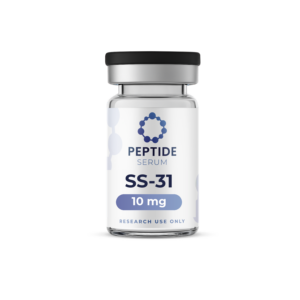
Elamipretide, also called SS-31, is the ingredient in Forzinity, approved for a defined Barth-syndrome population. That narrow approval does not establish general anti-aging use.
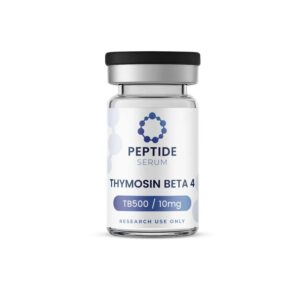
TB-500 requires exact identity checking. Analytical papers identify an acetylated seven-residue thymosin beta-4 fragment; full-length thymosin beta-4 studies do not automatically apply to that fragment.
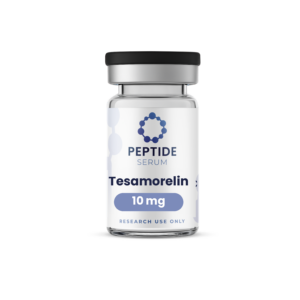
Tesamorelin is a GHRH analogue approved to reduce excess abdominal fat in adults with HIV-associated lipodystrophy. It is not indicated for general weight-loss management.
Thymalin is a thymus-derived polypeptide complex studied in immune-related settings. A mixture, its proposed constituent peptides and a clinical treatment protocol are separate evidence questions.
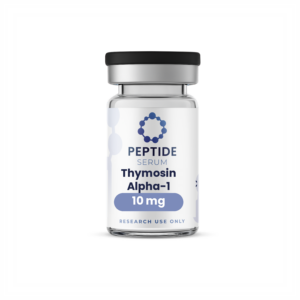
Thymosin alpha-1 has been investigated in disease-specific clinical trials. Results differ across studies; a general immune-boosting claim obscures both the patient setting and the uncertainty.
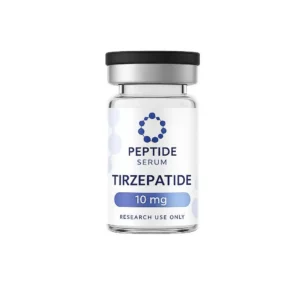
Tirzepatide has strong clinical evidence for specific diabetes and weight-related indications. Approval belongs to defined prescription products, not generic research vials.
Vilon is the Lys-Glu dipeptide studied in aging and immune-related models. Animal lifespan findings and human-cell experiments do not establish a general anti-aging treatment.
VIP is a signaling peptide studied as a biomarker and experimental intervention. A change in natural VIP levels does not demonstrate that administering VIP treats the associated condition.
Vitamin B12, also called cobalamin, is an essential vitamin rather than a peptide. Correcting B12 deficiency is a distinct medical objective from selling an energy boost to someone with adequate B12 status. Evidence for the first does not establish the second.
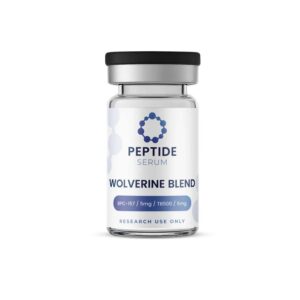
Wolverine Stack is a marketing name for a peptide combination, commonly described as BPC-157 with a TB-500-related ingredient. Its composition must be established before any evidence can be evaluated.
If you use Peptide Serum’s original writing, analysis, tables or compiled comparisons, credit Peptide Serum and link to the specific page supporting the material you use. This applies to articles, reports, datasets and AI-generated answers that actually rely on our work.
Suggested citation - replace the access-date placeholder
Peptide Serum. “Peptide Research Library and Evidence | Peptide Serum.” https://peptideserum.com/research/ Accessed [your access date].